

EHi-EOL for hermetically sealed actuators
After it became apparent during ongoing acoustic quality control of mass-produced products (EOL) that many quality characteristics could not be detected by any of the available measurement systems, the subsidiary EH-Innovations was founded in 2017 to address this technical gap.
Building on Engineering Hasewend e.U.’s expertise regarding acoustic anomalies and noise phenomena in the fully enclosed Powerfold actuator, an algorithm—still considered unique—was developed over a nearly three-year research period to calculate rotational speed from the rotating magnetic field of miniature electric drive motors.
This algorithm is also used in the speed calculation of the successor EOL package for quality control of the positioning actuators for electrically height-adjustable desks.
For the respective noise phenomena that significantly characterize the quality of the series products, numerous individual algorithms were further developed or newly invented for both signal processing and signal analysis.
Detectable phenomena
- Pitting in the tooh of the gear – worm gears, planetary gears
- Single noise event at the start or during the test sequence
- Periodic ticking noise
- Commutation error in the drive electric motor
- Imbalance of individual drive components
- Separation of amplitude and frequency modulations
- Speed-dependent interference phenomena
- Temporarily undefined position of the rotation axis of the low-cost drive motor
EOL-INNOVATION
EHI-EOL
Hardware and software solution for end-of-line quality assessment
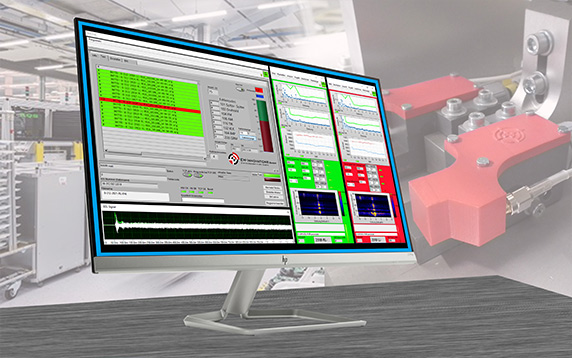
EHi-EOL is a software solution developed in collaboration with EH-Innovations over several years. It is used for the acoustic quality assessment of hermetically sealed miniature gear motors. While the full encapsulation of such small drives protects against environmental influences, it prevents the EOL functional test because an important physical parameter can no longer be measured—the rotational speed.
Sophisticated algorithms and specialized sensors provide this missing speed information with an accuracy of ±3‰, allowing speed fluctuations and frequency modulations to be precisely determined. Component vibrations are measured using an accelerometer and evaluated based on amplitude modulation and pulse characteristics.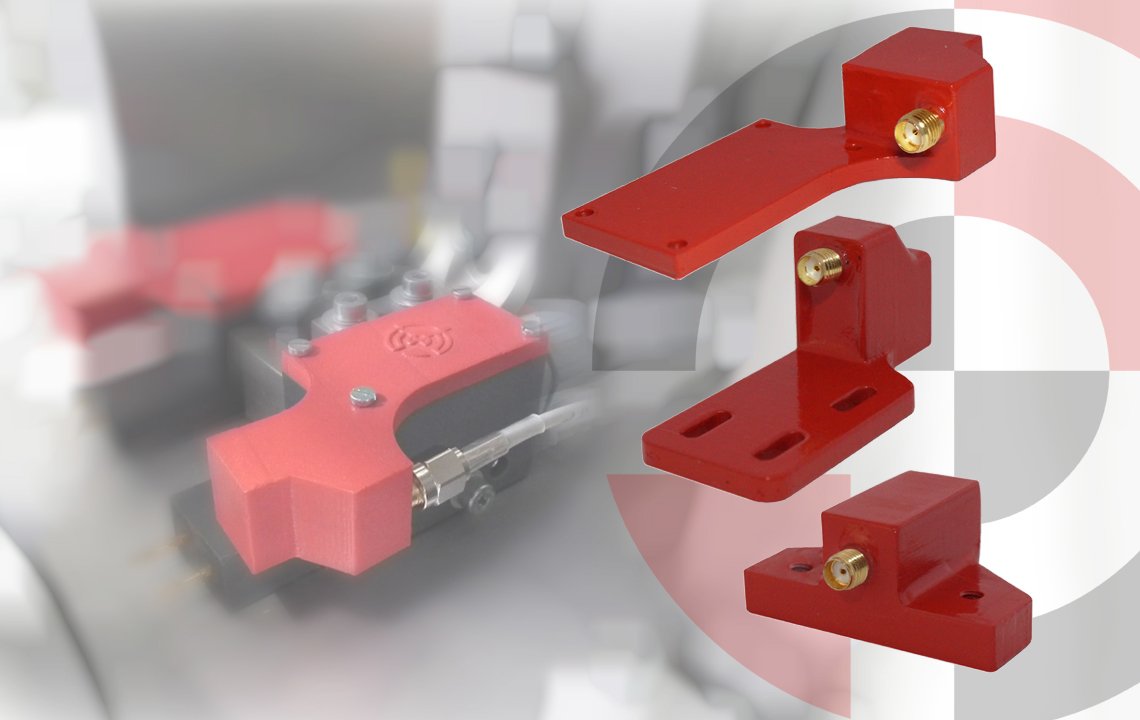
IF THE MARKET DOESN'T PROVIDE IT, WE DEVELOP AND MANUFACTURE IT OURSELVES
To measure all relevant parameters for determining the component quality of a mass-produced product, in addition to standard detectors, we also require detectors that simply aren't available on the market.
As part of several years of research, we have developed and built sensors to capture the signals that are essential for calculating the quality-relevant final results.
To ensure customer-friendly usability, we design the appropriate housing for each sensor.
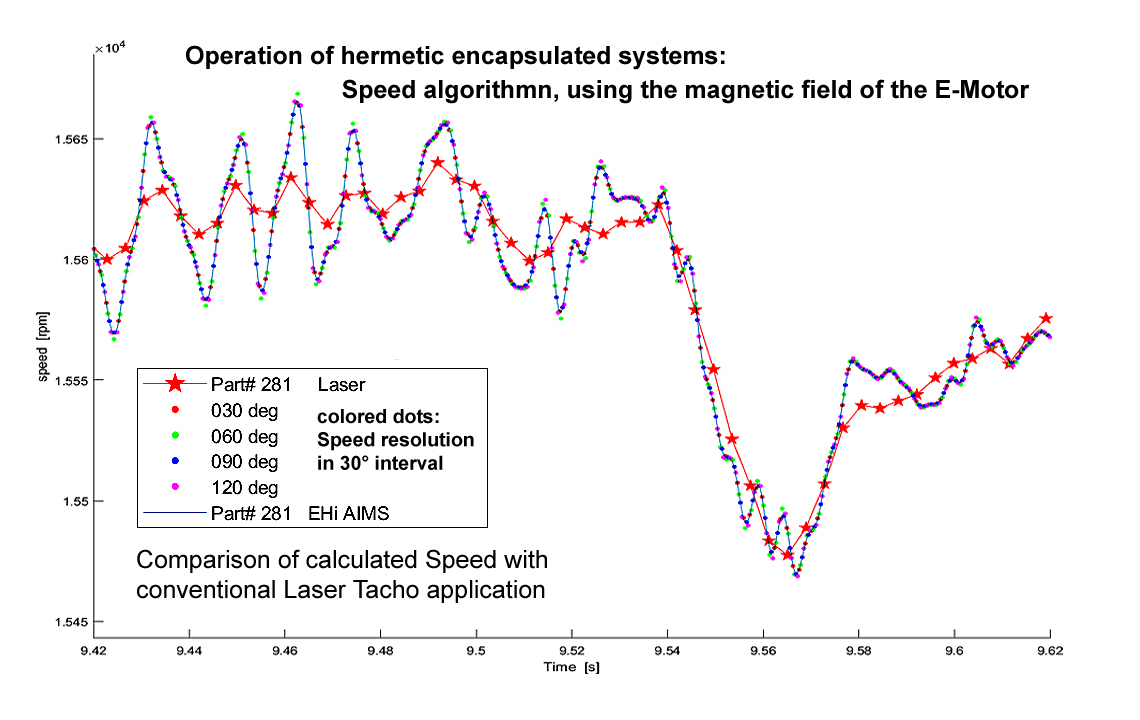
DESPITE THE HERMETIC ENCLOSURE OF THE STANDARD COMPONENT …
… we determine the rotational speed of the actuator drive with remarkable accuracy, at resolutions of at least 30°, to calculate the quality-relevant modulation effects.
Our algorithm has already been tested and verified up to 22,400 RPM. Only on the basis of this signal quality and accuracy class is it even possible to calculate and thus precisely locate a production defect on the series component.